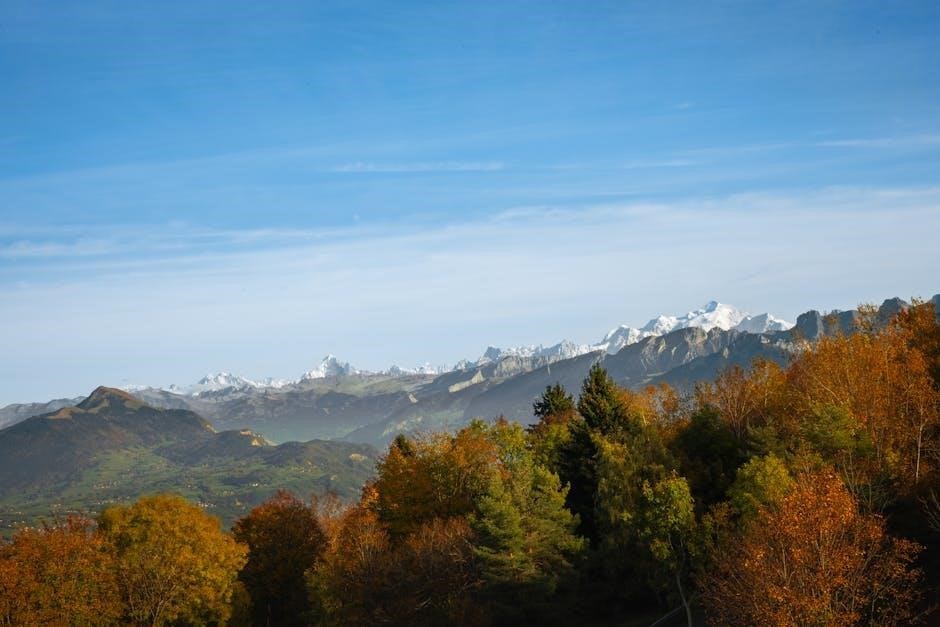
The Tour du Mont Blanc (TMB) is a famed 180km circuit‚ often completed self-guided‚ beginning in Les Houches. It’s a breathtaking adventure for experienced hikers!
What is the Tour du Mont Blanc (TMB)?
The Tour du Mont Blanc (TMB) is widely celebrated as one of the world’s premier hiking experiences. This iconic circuit encompasses approximately 170-180 kilometers (106-112 miles) and gracefully circles the Mont Blanc massif‚ traversing through France‚ Italy‚ and Switzerland. It’s a multi-day trek‚ typically completed over 11 days‚ though durations can vary based on fitness levels and chosen routes.
Many adventurers opt for a self-guided experience‚ allowing for flexibility and independence. This involves pre-booking accommodations – often a mix of refuges (mountain huts) and gîtes – and navigating the trail using maps‚ guidebooks‚ or GPS devices. The TMB isn’t a technical climb‚ but a demanding walk with significant elevation gain and loss. Expect well-established mountain trails‚ with occasional ladder sections adding a touch of challenge. It’s a journey through stunning alpine scenery‚ offering unforgettable views and a true immersion in the European mountains.
Why Choose a Self-Guided Trek?
Opting for a self-guided Tour du Mont Blanc (TMB) offers unparalleled freedom and personalization. Unlike guided tours with fixed itineraries‚ you dictate your pace‚ allowing for spontaneous detours and extended stays in charming villages. This independence is a major draw for experienced hikers seeking a truly immersive experience.
A self-guided trek also tends to be more cost-effective‚ as you avoid the premium charged for guide services. You have complete control over accommodation choices‚ ranging from rustic refuges to comfortable hotels‚ tailoring the experience to your budget. However‚ it demands meticulous planning – booking accommodations‚ arranging luggage transfers (optional)‚ and mastering route navigation are crucial.
For those comfortable with map reading‚ GPS usage‚ and independent problem-solving‚ a self-guided TMB is incredibly rewarding; It fosters a deeper connection with the landscape and a sense of accomplishment derived from navigating this iconic circuit on your own terms.
Difficulty Level Assessment
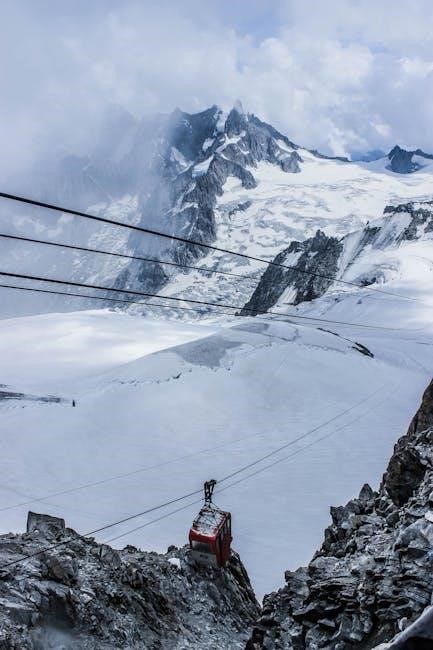
The Tour du Mont Blanc is generally rated as moderately challenging to hard‚ requiring good fitness. It’s a walk‚ not a climb‚ with some ladder sections.
Overall Difficulty: Moderate to Challenging
The Tour du Mont Blanc (TMB) consistently earns a reputation as a moderately challenging trek‚ appealing to hikers with some prior experience. While not technically demanding – it’s primarily a walking route rather than a climb – the circuit’s length and cumulative elevation gain present a significant physical undertaking. Expect to hike approximately 6-8 hours each day over well-established mountain trails‚ navigating varied terrain.
The difficulty stems from the sustained effort required over multiple days. Hikers should be prepared for long ascents and descents‚ potentially encountering rocky paths and uneven surfaces. A few isolated ladder sections add a minor element of technicality‚ but these are generally short and manageable for those with a reasonable head for heights. The TMB is graded as a Level B adventure for those with some experience‚ and a Grade 3 challenge overall.
Successfully completing the circuit demands resilience and a consistent pace. It’s a journey that rewards preparation and a willingness to embrace the challenges of the alpine environment.
Physical Fitness Requirements
Embarking on a self-guided Tour du Mont Blanc (TMB) necessitates a robust level of physical fitness. Prior to the trek‚ a consistent training regimen is crucial‚ focusing on cardiovascular endurance and leg strength. Regular hiking with a weighted backpack – gradually increasing the weight and distance – is highly recommended. Incorporate exercises like squats‚ lunges‚ and calf raises to prepare your muscles for the demanding ascents and descents.
You should comfortably be able to hike for 6-8 hours daily over varied terrain‚ carrying a pack weighing approximately 8-12kg. Stamina is key; the TMB isn’t about sprinting‚ but maintaining a steady pace over long distances. Consider incorporating hill repeats into your training to simulate the elevation gain encountered on the trail.
A good base level of fitness will significantly enhance your enjoyment and reduce the risk of injury. Don’t underestimate the cumulative effect of multiple days on the trail – preparation is paramount!
Technical Difficulty & Terrain
While widely regarded as moderately challenging‚ the Tour du Mont Blanc (TMB) isn’t technically demanding‚ primarily consisting of well-established mountain trails. It’s more a long-distance walk than a climb‚ making it accessible to hikers with good fitness‚ rather than experienced mountaineers. However‚ the terrain is varied and can be unforgiving.
Expect a mix of grassy paths‚ rocky ascents‚ and potentially muddy or slippery sections‚ especially after rain. There are a few isolated sections with lone ladder sections‚ requiring a head for heights and careful footing. The altitude also presents a challenge‚ potentially causing shortness of breath and fatigue.
Navigation skills are essential‚ even on a self-guided tour‚ as trails can sometimes be poorly marked. Be prepared for significant elevation gain and loss each day‚ demanding both physical and mental resilience. Proper footwear is crucial for navigating the diverse terrain safely and comfortably.
Planning Your Self-Guided Circuit
Successful self-guided TMB treks require careful planning! Consider the best hiking season‚ daily mileage‚ and booking accommodations like refuges or gîtes in advance.
Best Time to Hike the TMB
The optimal window for a self-guided Tour du Mont Blanc trek generally falls between mid-June and mid-September. This period offers the most favorable weather conditions‚ with warmer temperatures and a reduced risk of snow at higher altitudes. However‚ even during these months‚ mountain weather can be unpredictable‚ so preparedness is key.
July and August represent peak season‚ boasting the warmest temperatures but also the highest number of hikers on the trail. Booking accommodations well in advance is absolutely crucial during these months to secure your preferred refuges and gîtes; June and September offer a quieter experience‚ though you might encounter some lingering snow patches in early June or experience cooler temperatures in late September.
Outside of this core window‚ the TMB becomes significantly more challenging due to snow cover‚ potential trail closures‚ and limited services. While experienced mountaineers might attempt the trek earlier or later in the season‚ it’s generally not recommended for those undertaking a self-guided hike without extensive alpine experience.
Duration & Daily Mileage
A complete self-guided Tour du Mont Blanc circuit typically takes between 10 to 14 days to complete. This allows for a comfortable pace‚ incorporating rest days and opportunities to explore the charming villages along the route. The total distance is approximately 180km (112 miles)‚ but daily mileage can vary significantly depending on the chosen itinerary and your fitness level.
Most hikers average between 10 to 15 kilometers (6 to 9 miles) per day‚ with elevation gains ranging from 800 to 1‚200 meters (2‚600 to 3‚900 feet). Some stages are considerably more demanding‚ requiring longer distances and steeper ascents. It’s crucial to carefully plan each day’s hike‚ considering the terrain and available accommodation.
For a less strenuous experience‚ consider spreading the trek over 14 days‚ allowing for shorter daily distances. Conversely‚ experienced and fit hikers might opt for a faster pace‚ completing the circuit in 10 days. Remember to factor in potential delays due to weather or unforeseen circumstances when planning your self-guided adventure.
Essential Gear & Equipment
For a successful self-guided Tour du Mont Blanc‚ prioritize a well-fitted backpack‚ sturdy hiking boots‚ and layered clothing for varied alpine conditions.
Backpacking Essentials
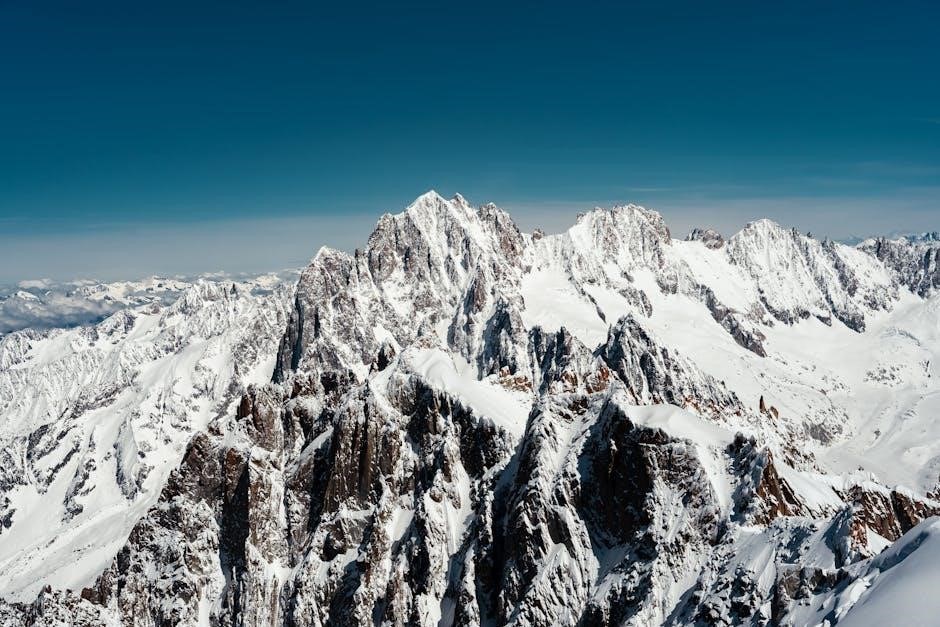
Embarking on a self-guided Tour du Mont Blanc demands careful consideration of your backpack’s contents. A comfortable‚ properly fitted backpack (50-70 liters) is paramount‚ capable of carrying all your necessities. Essential items include a high-quality waterproof jacket and trousers – alpine weather is notoriously unpredictable! Pack layers: moisture-wicking base layers‚ insulating mid-layers (fleece or down)‚ and a warm outer layer are crucial.
Don’t forget a comprehensive first-aid kit‚ including blister treatment‚ pain relievers‚ and antiseptic wipes. A headlamp with extra batteries is vital for early starts or late finishes. Hydration is key; carry a water bottle or hydration reservoir (at least 2 liters capacity) and water purification tablets or a filter. High-energy snacks – trail mix‚ energy bars‚ dried fruit – will fuel your daily hikes. A lightweight cooking stove‚ pot‚ and utensils are necessary if you plan to prepare your own meals. Finally‚ trekking poles can significantly reduce strain on your knees‚ especially during descents.
Clothing & Footwear
Appropriate clothing and footwear are non-negotiable for a successful self-guided Tour du Mont Blanc trek. Invest in sturdy‚ broken-in hiking boots offering excellent ankle support and waterproofing. Quality hiking socks (wool or synthetic blends) are essential to prevent blisters. Layering is key; pack moisture-wicking base layers‚ insulating mid-layers like fleece‚ and a waterproof‚ windproof outer shell.
Bring hiking trousers (convertible ones are versatile) and shorts‚ depending on the forecast. A warm hat and gloves are vital‚ even in summer‚ as conditions can change rapidly at altitude. Don’t underestimate the power of sun protection: a wide-brimmed hat‚ sunglasses‚ and high-SPF sunscreen are crucial. Pack a lightweight‚ quick-drying towel. Consider gaiters to keep debris out of your boots. Remember‚ comfort and functionality are paramount – avoid cotton‚ which retains moisture and can lead to chilling.
Accommodation Options
For a self-guided Tour du Mont Blanc‚ choose between cozy refuges (mountain huts) offering dorm-style lodging‚ or gîtes and hotels in charming villages along the route.
Refuges (Mountain Huts)
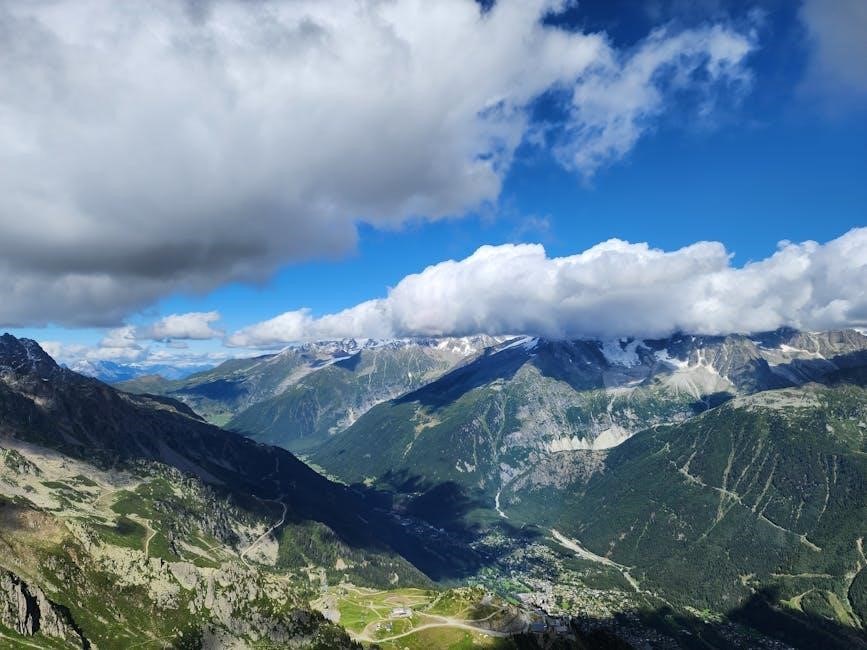
Refuges are a cornerstone of the self-guided Tour du Mont Blanc experience‚ providing essential shelter and a unique social atmosphere. These mountain huts‚ strategically positioned along the trail‚ offer dormitory-style accommodation‚ typically with shared rooms and bunk beds. Booking well in advance – often months ahead‚ especially for peak season – is absolutely crucial‚ as spaces fill up rapidly.
Expect basic but comfortable facilities; most refuges provide blankets and pillows‚ but a sleeping bag liner is usually required for hygiene. Meals are generally available for purchase‚ offering hearty‚ communal dinners and breakfasts‚ which is incredibly convenient after a long day of hiking. Refuges often have limited hot water‚ so plan accordingly. They represent a fantastic opportunity to meet fellow hikers from around the globe‚ sharing stories and experiences. The cost is typically around €50-€80 per night‚ including half-board (dinner and breakfast)‚ making them a relatively affordable option‚ though prices can vary.
Gîtes & Hotels in Villages
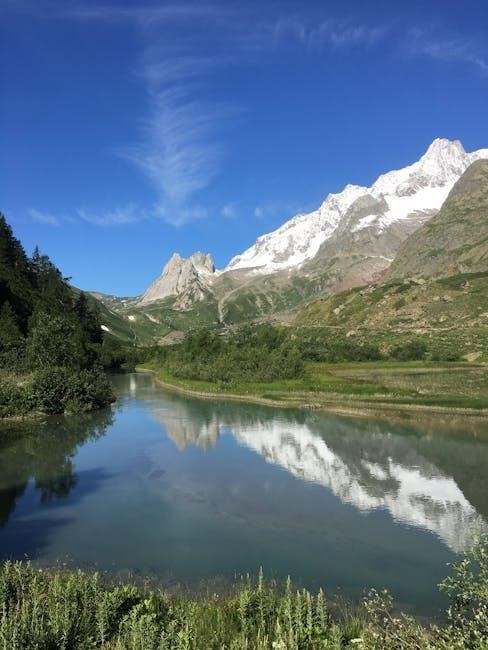
For those preferring more privacy or comfort than refuges offer‚ gîtes (rural guesthouses) and hotels in the villages along the self-guided Tour du Mont Blanc route provide excellent alternatives. These options typically offer private rooms‚ ensuite bathrooms‚ and often‚ more extensive meal choices. While generally more expensive than refuges‚ they allow for a more relaxed pace and a chance to experience local culture.
Gîtes often feature kitchen facilities‚ enabling hikers to self-cater‚ which can be a cost-effective option. Hotels range from simple‚ family-run establishments to more luxurious accommodations‚ catering to various budgets. Booking in advance is still recommended‚ particularly during peak season‚ though availability may be slightly easier to secure than in the popular refuges; Staying in villages provides opportunities to resupply on food and water‚ and to enjoy local restaurants and shops‚ adding another dimension to the TMB experience. Expect to pay between €80-€200+ per night‚ depending on the level of accommodation.
Navigation & Route Finding
Successful self-guided TMB treks rely on careful navigation using detailed maps‚ guidebooks‚ or GPS devices and apps for accurate route following.
Maps & Guidebooks
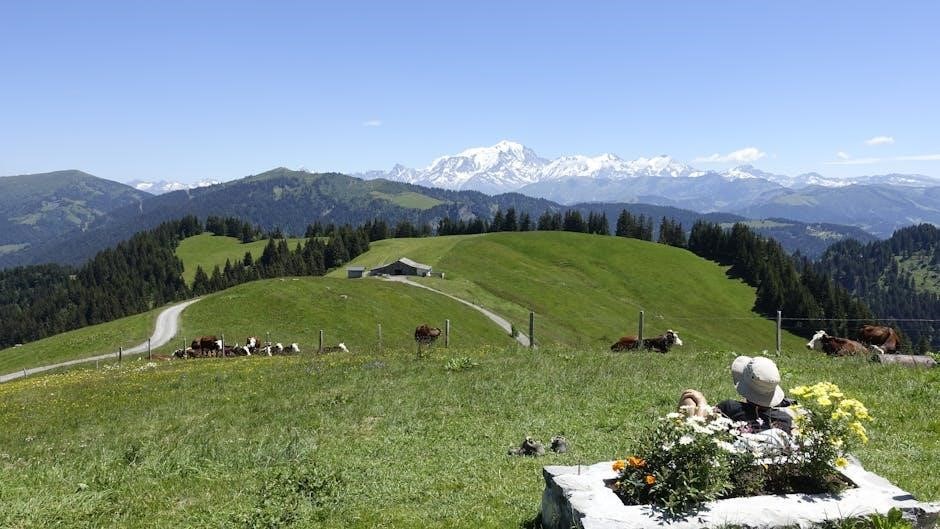
For a self-guided Tour du Mont Blanc‚ reliable maps and guidebooks are absolutely essential tools. Detailed topographic maps‚ specifically designed for the TMB‚ provide crucial information about the trail’s elevation changes‚ terrain‚ and potential hazards. Look for maps with a scale of 1:25‚000 or 1:30‚000 for optimal detail.
Complementing maps‚ comprehensive guidebooks offer invaluable insights into the route‚ including stage descriptions‚ accommodation options‚ points of interest‚ and cultural information about the villages you’ll pass through. Several excellent guidebooks are available‚ catering to different hiking styles and preferences.
Consider guidebooks that include altitude profiles‚ estimated walking times‚ and details about refuge facilities. Many also provide useful phrases in local languages (French‚ Italian‚ and German) which can be helpful when interacting with locals. Don’t rely solely on digital resources; a physical map and guidebook are crucial backups in case of battery failure or lack of signal.
GPS Devices & Apps
While traditional maps and guidebooks remain vital‚ GPS devices and smartphone apps significantly enhance a self-guided Tour du Mont Blanc experience. GPS devices offer real-time location tracking‚ allowing you to monitor your progress and confirm you’re staying on the correct path. Pre-loaded TMB routes are readily available for many devices.
Numerous smartphone apps‚ such as Komoot‚ Gaia GPS‚ and ViewRanger‚ provide similar functionality‚ utilizing your phone’s GPS capabilities. These apps often include offline map downloads‚ crucial for areas with limited or no cellular service. They also allow you to record your track‚ share your location with others‚ and access user-submitted trail information.
However‚ remember that electronic devices are susceptible to battery failure and technical issues. Always carry a fully charged power bank and a physical map and compass as reliable backups. Treat GPS as a supplementary tool‚ not a replacement for navigational skills and careful route planning.