Art profoundly shapes our understanding of existence‚ offering diverse perspectives and challenging conventional notions of what is genuinely real.
The Enduring Question: What is Reality?
Philosophers and thinkers have grappled with defining “reality” for centuries‚ debating its objective existence versus subjective interpretation. Is reality solely what we perceive through our senses‚ or does it extend beyond our immediate grasp?
Ancient philosophies‚ like Plato’s theory of Forms‚ suggest a higher realm of perfect ideals‚ while empiricism emphasizes sensory experience as the foundation of knowledge. Modern physics introduces concepts like quantum entanglement and multiple universes‚ further complicating the notion of a singular‚ definitive reality.
This fundamental question is central to artistic exploration. Art doesn’t necessarily represent reality; it often constructs it‚ offering alternative perspectives and challenging our preconceived notions. The arts invite us to question the nature of our existence and the limits of our perception.
The Role of the Arts in Perception
The arts act as a powerful catalyst‚ actively shaping how we perceive the world around us. They don’t simply mirror reality; they filter‚ interpret‚ and re-present it‚ influencing our emotional responses and cognitive understanding.
Through various mediums – painting‚ sculpture‚ music‚ literature‚ and performance – artists offer unique vantage points‚ challenging our assumptions and expanding our awareness. Art can reveal hidden truths‚ expose societal biases‚ and evoke empathy by allowing us to experience the world through different lenses.
Furthermore‚ artistic engagement enhances our perceptual skills‚ encouraging us to observe details‚ recognize patterns‚ and appreciate nuance. By actively interpreting art‚ we refine our own ability to navigate and make meaning of the complexities of reality.

Part 1: Foundations of Artistic Interpretation
Understanding art requires examining core concepts of reality‚ subjectivity‚ and objectivity‚ alongside historical shifts in artistic representation.
Defining “Reality” in the Context of Art
The concept of “reality” itself is remarkably fluid‚ shifting based on philosophical‚ scientific‚ and personal viewpoints. Within the realm of art‚ defining reality becomes even more complex. Is reality merely the tangible world perceived through our senses? Or does it encompass internal experiences‚ emotions‚ and abstract ideas?
Art doesn’t simply reflect reality; it actively constructs it. Artists select‚ interpret‚ and transform elements of the world – or their imagination – to create a new reality for the audience. This constructed reality can be a heightened version of the everyday‚ a fantastical escape‚ or a critical commentary on societal norms. Therefore‚ reality in art isn’t a fixed point‚ but a dynamic interplay between the artist’s intention‚ the artwork itself‚ and the viewer’s interpretation.
Subjectivity vs. Objectivity in Artistic Representation
A central tension in understanding art’s relationship to reality lies in the debate between subjectivity and objectivity. Objective reality‚ theoretically‚ exists independently of individual perception – a measurable‚ verifiable truth. However‚ artistic representation is inherently subjective‚ filtered through the artist’s unique experiences‚ beliefs‚ and emotional state.
Even seemingly realistic depictions are choices; the artist decides what to include‚ exclude‚ and emphasize. This subjective lens doesn’t necessarily invalidate the artwork’s connection to reality‚ but rather acknowledges its mediated nature. Art often aims not to replicate reality objectively‚ but to convey a felt reality‚ a personal truth. The viewer’s own subjectivity further complicates the process‚ shaping their individual interpretation of the work and its perceived “reality.”
The Historical Evolution of Artistic Approaches to Reality
Throughout history‚ artists have grappled with representing reality in vastly different ways. Early art often focused on mythological or religious narratives‚ prioritizing symbolic representation over strict realism. The Renaissance witnessed a surge in naturalism‚ with artists striving for accurate depictions of human anatomy and perspective‚ aiming for objective visual truth.
However‚ the 19th and 20th centuries saw a radical departure. Movements like Impressionism and Cubism challenged traditional notions of representation‚ prioritizing subjective experience and fragmented perspectives. Abstract Expressionism abandoned representational imagery altogether‚ focusing on pure form and emotion. Contemporary art continues to explore diverse approaches‚ blurring the lines between reality and illusion‚ often questioning the very nature of perception itself. This evolution demonstrates art’s ongoing dialogue with‚ and redefinition of‚ reality.

Part 2: Visual Arts and the Construction of Reality
Visual mediums uniquely construct perceived realities‚ employing techniques of perspective‚ color‚ and form to shape our understanding of the world.
Painting and the Illusion of Three-Dimensional Space
Historically‚ painting has strived to replicate the visual world‚ but it’s rarely a simple mirroring. Artists employ various techniques to create the illusion of depth on a two-dimensional surface. Linear perspective‚ developed during the Renaissance‚ is a prime example – converging lines suggest distance‚ mimicking how we perceive space.
Furthermore‚ atmospheric perspective utilizes color and clarity to convey depth; distant objects appear paler and less defined. Chiaroscuro‚ the dramatic use of light and shadow‚ sculpts forms and adds volume. These aren’t merely technical exercises; they fundamentally alter how we experience the painted image‚ prompting a sense of immersion and believability.
Ultimately‚ painting demonstrates that “reality” isn’t passively received but actively constructed through artistic choices‚ influencing our perception and emotional response.
Sculpture: Reality in Form and Texture
Unlike painting’s illusionistic space‚ sculpture occupies real space‚ presenting a tangible‚ three-dimensional reality. The materials themselves – stone‚ metal‚ wood‚ clay – contribute to this sense of presence‚ each possessing unique textures and qualities. Artists manipulate these materials through carving‚ modeling‚ casting‚ or assembling‚ transforming them into forms that reflect‚ abstract‚ or reimagine the world around us.
Texture plays a crucial role; smooth surfaces evoke different sensations than rough or granular ones. The interplay of light and shadow across a sculpture’s form further defines its volume and contours‚ enhancing its physicality.
Sculpture invites a different kind of engagement – a tactile‚ spatial experience – prompting viewers to move around the work‚ perceiving it from multiple angles and experiencing its reality directly.
Photography: Capturing and Constructing Reality

Photography often carries the assumption of objective truth – a direct recording of reality. However‚ this is a misconception. Every photographic image is a constructed reality‚ shaped by the photographer’s choices: framing‚ composition‚ lighting‚ and moment of capture. The lens itself introduces a particular perspective‚ and post-processing techniques can further alter the image.
Photographers don’t simply record what is; they select what to include and exclude‚ influencing how we perceive the subject. Through manipulation of focus‚ depth of field‚ and color‚ they can emphasize certain aspects and create specific moods or narratives.
Therefore‚ photography isn’t a neutral act but an interpretive one‚ actively constructing a version of reality rather than passively mirroring it.
Digital Art: Manipulating and Reimagining Reality
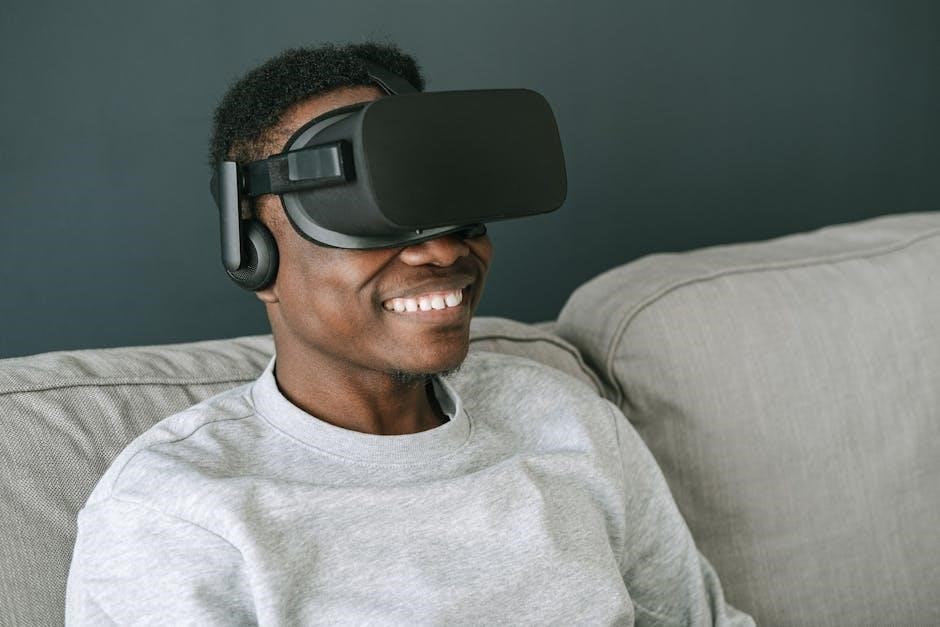
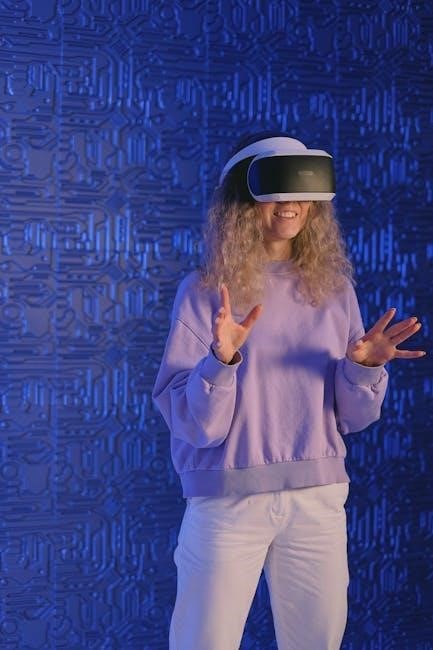
Digital art expands the possibilities of artistic representation‚ offering unprecedented control over the creation and manipulation of reality. Unlike traditional mediums‚ digital tools allow artists to seamlessly blend‚ distort‚ and reimagine elements‚ constructing worlds unbound by physical limitations.
Software like Photoshop‚ Blender‚ and AI image generators empower artists to create hyperrealistic illusions‚ surreal landscapes‚ or entirely abstract forms. The very notion of “originality” is challenged as artists sample‚ remix‚ and transform existing imagery.
This capacity for manipulation raises questions about authenticity and the nature of perception. Digital art doesn’t merely reflect reality; it actively constructs and deconstructs it‚ prompting viewers to question what is real and what is fabricated.
Part 3: Performing Arts and Embodied Reality
Performing arts uniquely engage audiences through live experience‚ creating a palpable‚ shared reality built on presence and immediate interaction.
Theatre: Creating Believable Worlds
Theatre‚ at its core‚ is the art of constructing believable worlds for an audience. This isn’t simply about replicating reality‚ but rather about presenting a reality – a carefully curated and intentionally shaped experience. Through set design‚ costume‚ lighting‚ and‚ most importantly‚ the performances of actors‚ theatre invites us to suspend disbelief and accept the terms of the play’s universe.
The power of theatre lies in its ability to explore complex human experiences within a contained environment. Actors embody characters‚ navigating relationships and conflicts that resonate with our own lives‚ even if the circumstances are fantastical or historical. This embodiment‚ combined with the shared experience of the audience‚ creates a unique form of empathy and understanding. The ‘fourth wall’ – the imaginary barrier between performers and spectators – can be maintained or broken‚ further influencing the audience’s engagement and perception of the presented reality.
Dance: Reality Expressed Through Movement
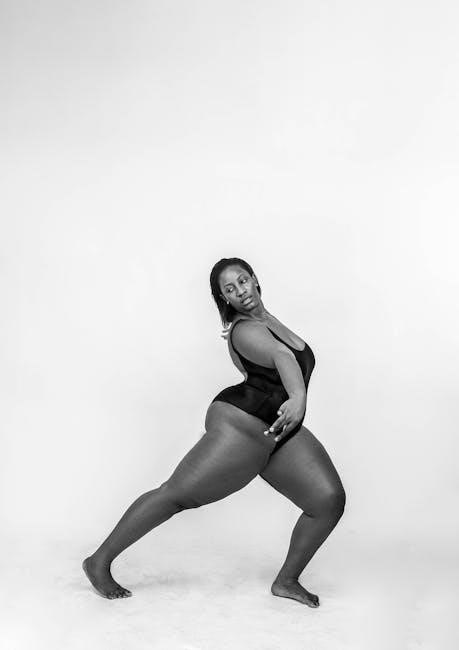
Dance transcends mere physical activity; it’s a potent language capable of conveying emotions‚ narratives‚ and abstract ideas through the human body. Unlike spoken word‚ dance communicates directly through movement‚ bypassing the limitations of language and tapping into primal‚ visceral responses. Choreography shapes these movements‚ creating patterns and sequences that reflect and interpret the world around us.
Different dance forms – ballet‚ contemporary‚ hip-hop‚ traditional – each offer unique approaches to expressing reality. Some prioritize precise technique and graceful lines‚ while others embrace improvisation and raw energy. Regardless of style‚ dance allows for the exploration of physical and emotional states‚ often revealing truths that are difficult to articulate otherwise. The dancer’s body becomes a vessel‚ embodying experiences and offering a unique perspective on the human condition‚ a reality felt as much as seen.
Music: Emotional and Abstract Representations of Reality
Music possesses a unique ability to evoke emotions and represent abstract concepts without relying on concrete imagery or narrative. Through melody‚ harmony‚ rhythm‚ and timbre‚ composers and performers create soundscapes that resonate with our inner experiences‚ mirroring and shaping our perception of reality.
Unlike visual arts which often depict the external world‚ music frequently delves into the internal landscape of feelings and ideas. A mournful melody can express grief‚ a soaring crescendo can convey triumph‚ and dissonant chords can represent conflict. Music doesn’t necessarily represent reality in a literal sense; rather‚ it offers an emotional and psychological equivalent. It allows us to explore complex emotions and abstract thoughts in a way that transcends language‚ providing a powerful and deeply personal connection to the world around us.
Part 4: Literary Arts and Narrative Reality

Stories‚ poems‚ and essays construct realities through language‚ offering immersive experiences and exploring the human condition with nuanced detail.
Fiction: Constructing Alternate Realities
Fiction‚ at its core‚ is the art of world-building. Authors meticulously craft universes governed by unique rules‚ populated by compelling characters‚ and driven by intricate plots. These constructed realities aren’t simply escapist fantasies; they serve as powerful lenses through which we examine our own world.
By altering fundamental aspects of existence – societal norms‚ physical laws‚ historical events – fiction allows us to explore the consequences of different choices and perspectives. A dystopian novel‚ for example‚ might critique contemporary political structures by exaggerating their flaws to a terrifying extreme.
Similarly‚ fantasy literature can illuminate universal themes of good versus evil‚ courage‚ and sacrifice within a fantastical setting. The very act of suspending disbelief and immersing ourselves in these alternate realities expands our empathy and challenges our preconceived notions about what is possible‚ ultimately enriching our understanding of reality itself.
Poetry: Distilling Reality into Essence
Poetry uniquely captures reality not through detailed representation‚ but through concentrated emotional and sensory experience. Unlike prose‚ which often aims for narrative completeness‚ poetry thrives on suggestion‚ ambiguity‚ and the power of carefully chosen language.
A poet doesn’t simply describe a sunset; they evoke the feeling of a sunset – the warmth‚ the melancholy‚ the fleeting beauty. This distillation process relies heavily on imagery‚ metaphor‚ and rhythm to bypass rational thought and connect directly with the reader’s subconscious.
Through concise and evocative language‚ poetry can reveal hidden truths about the human condition and the natural world. It offers a fragmented‚ yet intensely focused‚ glimpse into reality‚ forcing us to actively participate in the creation of meaning. The power lies in what is unsaid‚ as much as what is explicitly stated;
Non-Fiction: Exploring Reality Through Factual Accounts
Non-fiction‚ encompassing genres like biography‚ history‚ and journalism‚ presents reality through verifiable evidence and objective reporting. However‚ even within factual frameworks‚ interpretation and perspective inevitably shape the narrative.
The selection of facts‚ the emphasis placed on certain events‚ and the author’s voice all contribute to a constructed understanding of reality. While striving for accuracy‚ non-fiction writers are still engaged in a creative process – one of organizing‚ analyzing‚ and presenting information in a compelling manner.
Effective non-fiction doesn’t merely relay data; it illuminates the human experience within a specific context. It allows us to learn from the past‚ understand the present‚ and contemplate the complexities of the world around us‚ grounded in demonstrable truth.
Part 5: Film and the Synthesis of Artistic Realities
Film uniquely blends visual and auditory elements‚ creating immersive experiences that powerfully shape perceptions of reality and emotional resonance.
Cinematography and the Visual Language of Film
Cinematography‚ the art of visual storytelling in film‚ employs a complex language of shots‚ angles‚ lighting‚ and movement to construct a specific reality for the audience. Each element contributes to the overall meaning and emotional impact of a scene.
Camera angles‚ for instance‚ can convey power dynamics – a low angle often suggesting dominance‚ while a high angle implies vulnerability. Lighting shapes mood and highlights crucial details‚ while camera movement guides the viewer’s eye and creates a sense of immersion.
The choice of lens affects perspective and depth of field‚ further manipulating the perceived reality. Skilled cinematographers don’t simply record events; they actively create a visual world that enhances the narrative and evokes specific responses from the audience‚ building a constructed‚ yet compelling‚ version of reality.
Sound Design and the Creation of Atmosphere
Sound design is paramount in film‚ extending far beyond mere dialogue and music; it’s a crucial element in constructing a believable and immersive reality. It encompasses all auditory elements – sound effects‚ ambient noise‚ and the score – working synergistically to shape the audience’s emotional and psychological experience.
Atmosphere is meticulously crafted through soundscapes‚ layering subtle noises to create a sense of place and time. Sound effects aren’t simply recordings; they’re often manipulated and enhanced to heighten realism or create a specific emotional impact.
Music doesn’t just accompany the visuals; it actively interprets and amplifies the narrative’s themes. Effective sound design can even suggest elements unseen‚ building suspense and enriching the overall cinematic reality‚ profoundly influencing perception.
Narrative Structure and the Shaping of Perception
Film’s narrative structure isn’t a neutral vessel for storytelling; it actively shapes how audiences perceive reality. Choices regarding plot order – linear‚ non-linear‚ flashbacks – fundamentally alter the viewer’s understanding of events and character motivations.
The way information is revealed‚ the use of foreshadowing‚ and the pacing of the story all contribute to a constructed reality. Even seemingly objective storytelling is filtered through the filmmaker’s perspective and presented with deliberate choices.
Different narrative techniques can create varying degrees of ambiguity‚ forcing the audience to actively participate in constructing meaning. Ultimately‚ film’s narrative structure doesn’t simply reflect reality; it creates a specific‚ curated version of it.
Art doesn’t merely mirror life; it refracts it‚ offering invaluable insights and prompting continuous re-evaluation of our perceived world.
The Ongoing Dialogue Between Art and Life
The relationship between artistic creation and lived experience is not a one-way street‚ but rather a dynamic‚ reciprocal exchange. Art doesn’t exist in a vacuum; it’s born from‚ and responds to‚ the complexities of human existence‚ societal shifts‚ and the ever-evolving understanding of our place in the universe.
Conversely‚ art profoundly influences how we perceive and interact with the world around us. It shapes our values‚ challenges our assumptions‚ and expands our capacity for empathy and critical thinking. This continuous interplay – life informing art‚ and art reshaping life – is a fundamental aspect of the human condition.
Throughout history‚ artists have served as both chroniclers and catalysts of change‚ reflecting and influencing the cultural landscape. This dialogue remains vital‚ ensuring art remains relevant and continues to illuminate the human experience.
The Importance of Critical Engagement with Art
Truly appreciating art requires more than passive observation; it demands active‚ critical engagement. This involves questioning the artist’s intent‚ analyzing the techniques employed‚ and considering the socio-historical context in which the work was created.
Critical engagement also necessitates recognizing our own biases and preconceptions‚ and how they shape our interpretation. Art often challenges us to confront uncomfortable truths or consider alternative perspectives‚ fostering intellectual growth and broadening our understanding of the world.
By moving beyond surface-level appreciation‚ we unlock the deeper layers of meaning embedded within artistic expression‚ allowing art to serve as a powerful tool for self-reflection and societal critique. This active participation is key to realizing art’s full potential.